FUNDING ARRANGEMENTS

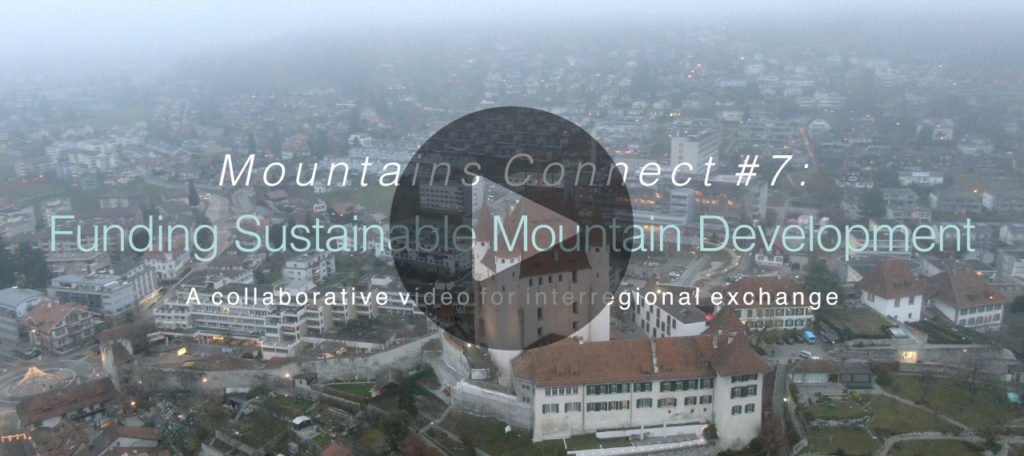
Mountain range governance (MRG) relies on an enormous diversity of funding sources, where opportunities for financing regional collaboration vary considerably across mountain regions. The Mountains Connect #7 video addresses this important governance tool and provides some examples.
In the European context, MRG benefits from different territorial cooperation programs, although their spatial scope does not usually follow a strict ecoregional definition of the concerned mountain range. In developing and transition countries, funding for MRG often comes from bilateral and multilateral donors. In both cases, national governments are important sources of investment, though usually through sectoral instruments such as agriculture policy. Relatively little is known about the nature and scale of private sector investment in MRG.

Script & CAST

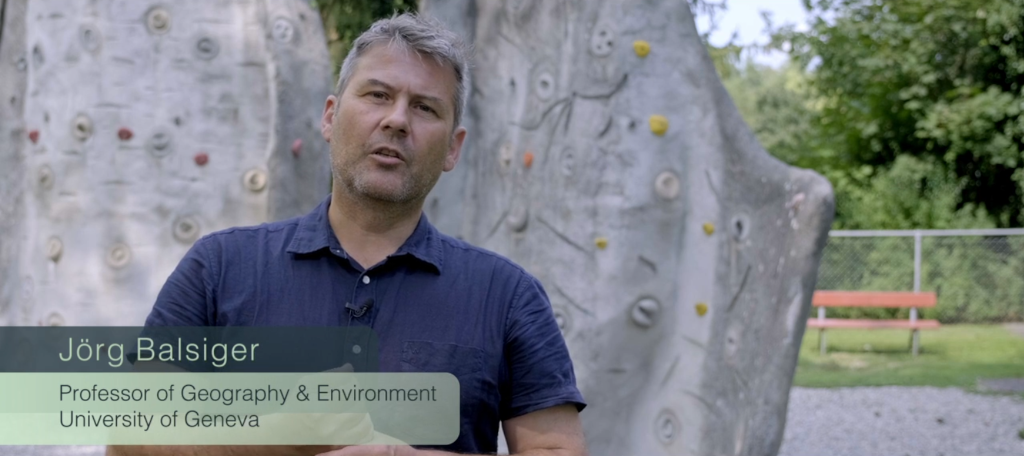
Jörg Balsiger, Professor of Geography & Environment, University of Geneva

Mountain range governance relies on diverse funding sources and instruments. In the European Union, territorial cooperation programs provide extensive resources, but they are not usually set up with mountain ranges in mind. In developing countries, funding often comes from bilateral and multilateral donors, who sometimes have an interest in encouraging specifically regional initiatives.

Generally speaking, the public sector has been and continues to be the main source of funding but new approaches are rapidly appearing. So, how can funding for mountain range governance best be mobilized and structured?

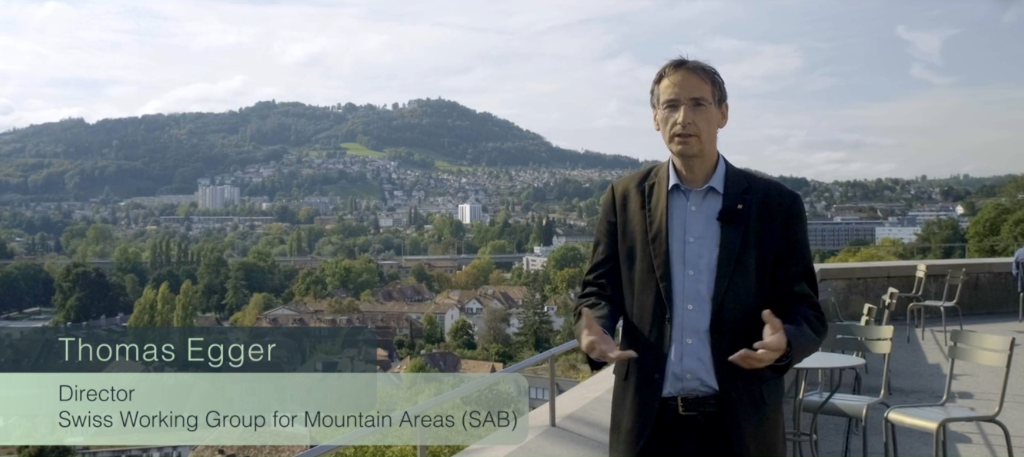
Thomas Egger, Director, Swiss Working Group for Mountain Areas (SAB)

Existing collaboration and active organizations in the European Alps, i.e. primarily the Alpine Convention but now also the Macroregional Strategy for the Alps (EUSALP), are principally funded through national contributions, hence public financing from national or supranational sources. This is exclusively so in the Alpine Convention; in the Macroregional Strategy the Interreg Alpine Space Programme provides some support to fund activities, especially those of the Action Groups.
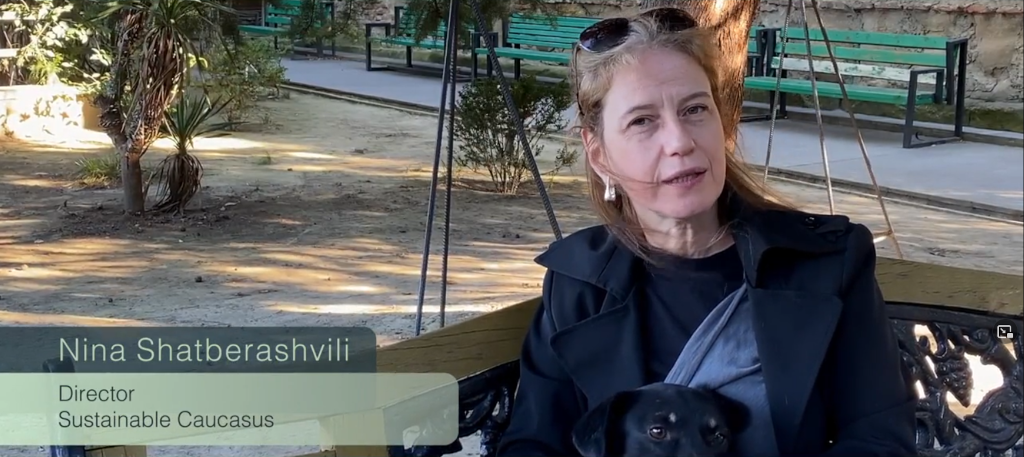
Nina Shatberashvili, Director, Caucasus Network for Sustainable Development of Mountain Regions (Sustainable Caucasus)

I would say that ongoing funding sources which we have for most of the countries of the Caucasus region is the Black Sea Interreg Programme, so-called Black Sea Programme, supported by the EU, which covers Armenia, Georgia and Turkey.

Jean-Louis Valls, Director, Working Community of the Pyrenees (CTP)

For us, clearly the principal funding tools to finance regional programmes are essentially coming from the European Union. The European Union offers interesting mechanisms for transboundary spaces like the Pyrenees even though we regret that mountain conditions do not appear much in the current instruments. But in any case, it is always necessary to contribute through the annual quotas of the four territories that are part of the Working Group of the Pyrenees, which are the four autonomous communities.

Jörg Balsiger

Sustainable mountain development is a complex undertaking that calls for significant investment. Resources are generally necessary for governance mechanisms and governance outputs. Governance mechanisms generate a variety of expenses.

Governance mechanisms

  • Physical location and staff of a Secretariat
  • Expertise
  • Organization of meetings
  • Specialized equipment and
  • Tools for knowledge management

Sharing arrangements

  • National contributions, e.g based on GDP or population
  • Individual countries on a rotating basis
  • Donor contributions to complement own funding

Funds may be needed for the physical location of a permanent secretariat, the consultation of experts, the organization of regular meetings, or knowledge management services. Such expenses can be shared among the countries that are part of the governance arrangement, for instance on the basis of gross domestic product or population size. Or they can be assumed by individual countries through rotating presidencies. Generally speaking significant contributions by the governance actors themselves are to be expected, but additional funding is sometimes available from donors.

Governance outputs make up the bulk of funding requirements. They are needed to address specific concerns, such as water resources management, forestry services, or tourism promotion. Public sector investment typically dominates here as well but private investment increasingly plays a key role.

Governance outputs

  • Make up the largest share of investment
  • Include sectoral projects for water management, forestry, tourism promotion, etc.
  • Are mainly funded from public rather than private sources

Funding availability and allocation for mountain range governance outputs involves three key considerations: First, funding often already exists but is tied to specific sectors such as agriculture, rather than sustainable mountain development. Second, when countries fund domestically what is agreed regionally, the greatest potential for fostering policy integration exists. Third, funding for regional actions or to test innovative financing mechanisms is sometimes available through global instruments, such as the Green Climate Fund or the Global Environment Facility.

Key considerations

  • Funding typically exists already but is only tied to individual sectors
  • Domestic implementation of regionally agreed goals fosters policy integration
  • Funding for regional actions or governance innovation can be found through global instruments
Matthias Jurek, Programme Management Officer, United Nations Environment Programme

The main funding instruments of financing activities in mountain regions are mainly coming from the bilateral level. Of course, in certain mountain ranges where you have mechanisms in place, for example the Alpine Convention or Carpathian Convention, it’s assessed contributions by the Member States.

In some cases also voluntary contributions in case a Member State has decided to put in additional funds to support the regional cooperation mechanisms. In other mountain regions, where we don’t have any mechanisms in place, those regions very much depend on development cooperation aid, which are provided by several donors which also have their own priorities tied into a specific region, for example in the International Climate Initiative funded by Germany.

Besides bilateral programs and all the contributions provided by Member States, of course, multilateral funding programmes are also quite essential. This is for example the Global Environment Facility (GEF), the Green Climate Fund, the Adaptation Fund.
Thomas Egger

When it comes to financing, the potential to mobilize private funding mechanisms is always important. In Interreg projects, co-funding from public resources amounts to 50 percent in Switzerland and 75 percent at the European level. The rest has to be covered by other sources, which often includes the private sector, so shared funding mechanisms do exist in this case. As an innovative approach in the context of the Macroregional Strategy for the Alps, we currently try to establish an EUSALP Innovation Fund, a public-private partnership that generates public and private funding in order to finance activities even outside the Alpine Space Programme in the future.

Nina Shatberashvili

Currently, the private sector doesn’t play any role in supporting mountain governance or supporting the regional activities in the Caucasus.

Matthias Jurek

Looking in particular at the European level, we have so-called supranational funding mechanisms and programmes, which are funded by the EU, for example the Alpine Space Programme, which are really also quite essential to support cooperation in mountain regions such as the Alps but also for example in the Carpathians.
Jean-Louis Valls

An opportunity for funding regional governance cooperation is clearly for me the Pyrenean Observatory on Climate Change known as OPCC, composed of representatives and experts on climate change of the seven transboundary territories conforming the Working Community of the Pyrenees that are Euskalie, Navarra, Aragon, Catalunya, Nouvelle-Aquitaine and Occitanie for France and the Principality of Andorra. OPCC has a clear added value and has been able to create a multi-actor working group that is transboundary and transregional.

Nina Shatberashvili

The main challenge for the regional activities and regional mountain activities, if you like, is the geopolitical situation in the Caucasus region or Caucasus eco-region, where most of the countries don’t have diplomatic relations with each other.

Thomas Egger

Mountains are often perceived as a dividing factor, mountain regions often include national boundaries, mountains can be cultural boundaries, transport boundaries, etc. All this is correct for the European Alps, but here we really have a uniform space, where the Alps have a linking character, mountains in this case are a linking, not a dividing element.
Jörg Balsiger

Funding sustainable mountain development is a big challenge and in many places significant additional resources are needed. However, much can be achieved through cooperation or the better and more efficient use of existing resources. This is particularly important when it comes to governance mechanisms. Long-term, stable, and adequate funding for governance institutions is often overlooked, yet regular exchange between people is one of the most important assets in mountain range governance.

Key lessons

  • Sustainable mountain development requires additional funding
  • More efficient use of existing resources can lead to bigger impacts
  • Funding for governance institutions and regular exchange is crucial

ORGANIZATIONS APPEARING IN THE VIDEO

  • Swiss Working Group for Mountain Areas (SAB) ) (-> link)
  • Caucasus Network for Sustainable Development of Mountain Regions (Sustainable Caucasus) (-> link)
  • Working Community of the Pyrenees (-> link)
  • UNEP Vienna Programme Office – Secretariat of the Carpathian Convention (-> link)
mountain regions appearing in the video

SCIENCE-POLICY INTERFACE

Scientists often provide important inputs for mountain range governance (MRG) initiatives and so-called scientific collectives exist in almost all mountain regions. The Mountains Connect #6 video offers insights into this important aspect of MRG.

Four general types of scientific collectives can be identified: (1) Collectives of specialized scientists established independent of regional governance projects, (2) scientific collectives established to serve as counterparts of existing political projects of regional governance, (3) scientific collectives organized to be the academic counterparts of planned or abandoned political projects of regional governance, and (4) Techno-scientific collectives established to meet specific data needs of regional governance institutions.

Script & CAST

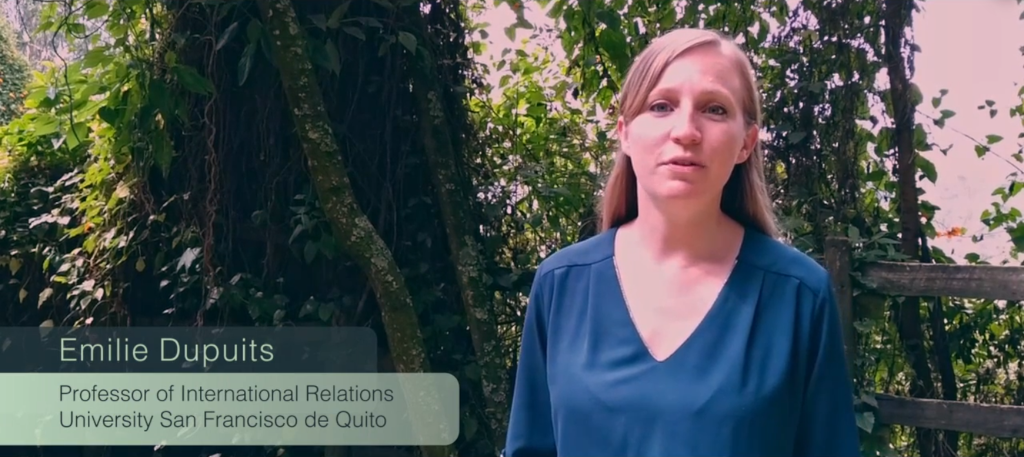
Emilie Dupuits, Professor for International Relations, University San Francisco de Quito

As climate change in mountain regions intensifies, bringing together science and action has become more important than ever. In many mountain ranges around the world, scientists, practitioners and decision makers are working together in different ways. As a result, various forms of policy-science interfaces have emerged that aim to support sustainable mountain development.

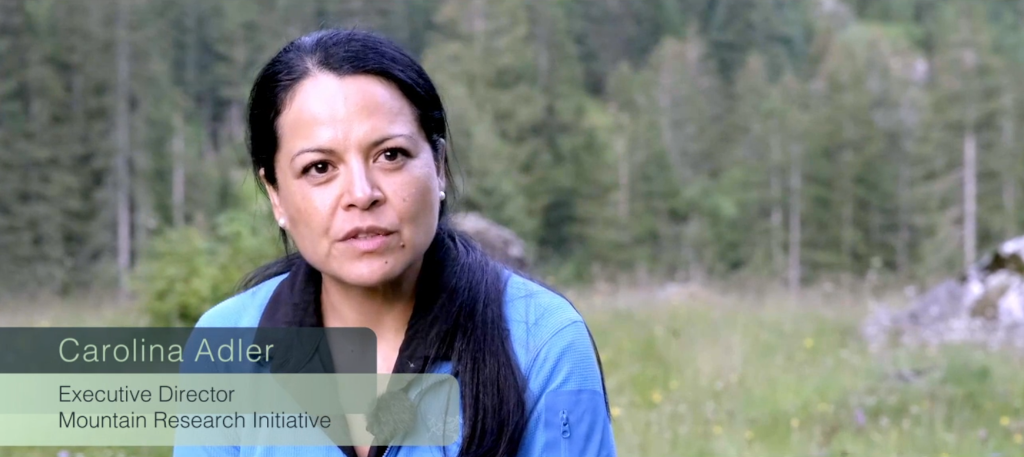
Carolina Adler, Executive Director, Mountain Research Initiative

Science-policy interfaces are important in the way they bring scientists and policy makers together in an exchange of knowledge, in an exchange of understanding what the other one can offer versus what the other one needs, and vice versa. In other words, it is a way of calibrating scientific input to what is actually relevant, the questions that are relevant to be answered by the policy makers.

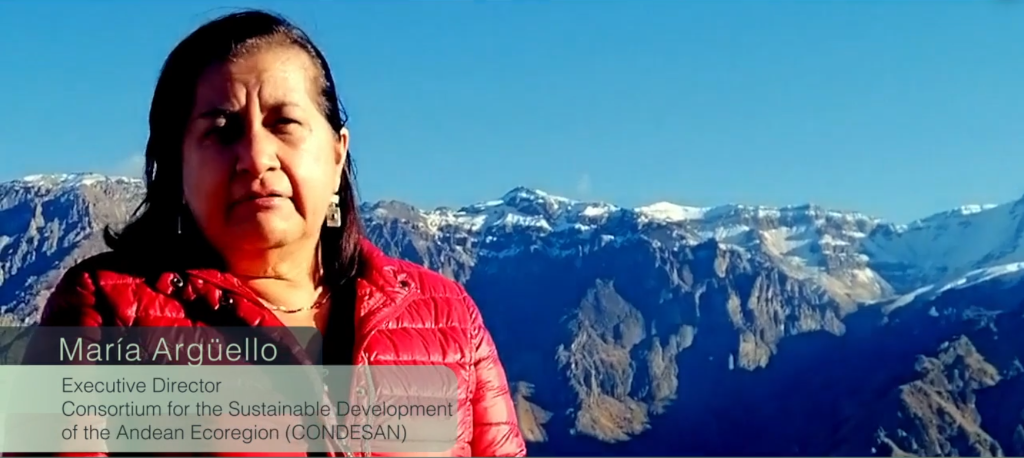
María Argüello, Executive Director, Consortium for the Sustainable Development of the Andean Ecoregion (CONDESAN)

For CONDESAN, working at the science-policy interface is key because it becomes increasingly evident that to inform all the processes of development at the national, subnational, and local levels, robust and timely knowledge is required, allowing to take the best decisions and transform public investment funds into actions generating expected impacts in a short amount of time.

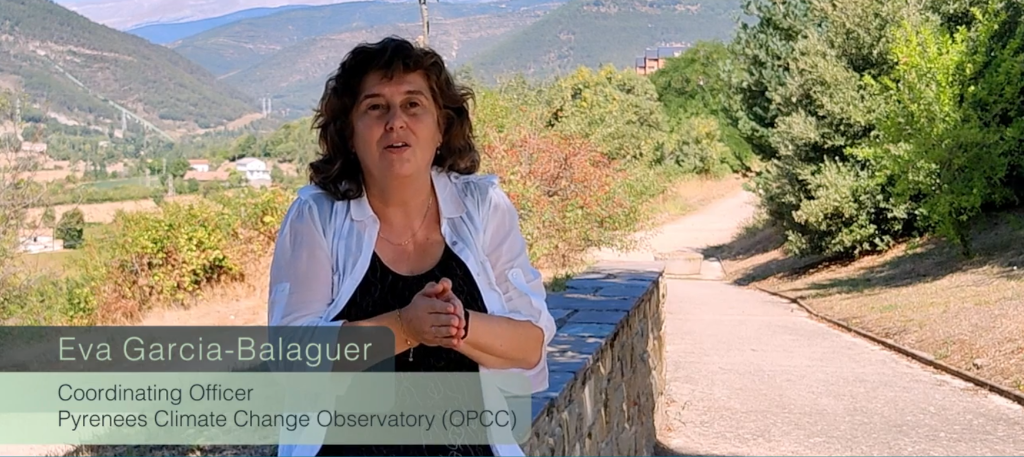
Eva Garcia-Balaguer, Coordinating Officer, Pyrenees Climate Change Observatory (OPCC)

My work is the coordination of the Pyrenees Climate Change Observatory [OPCC], where science and policy are in contact every day. It is an interconnection that is essential for the definition of our observatory, it is our way of working.

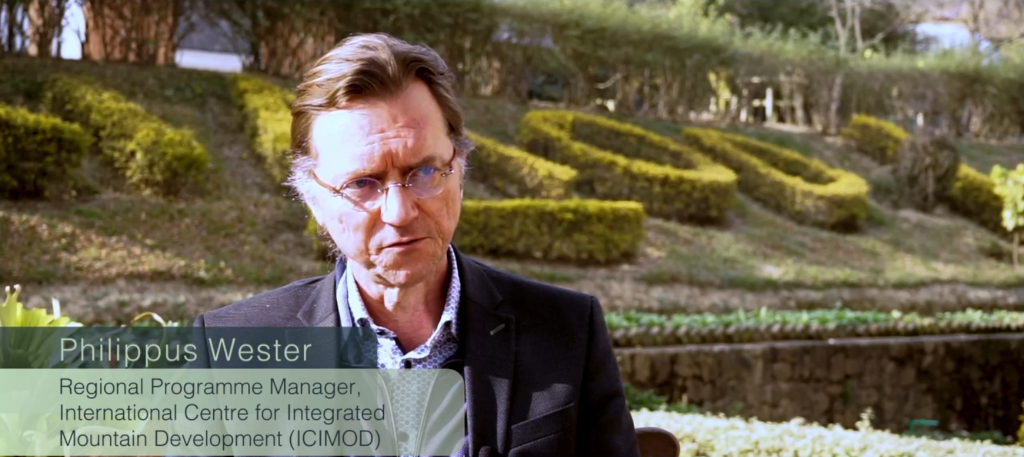
Philippus Wester, Regional Programme Manager, Mountain Knowledge & Action Networks (MKAN), International Centre for Integrated Mountain Development (ICIMOD)

In my own direct work, what is really important is assessment, synthetizing evidence around mountain research into a way that becomes policy-relevant and that we can speak to policy-makers. An example is the HKH assessment report which I led, bringing together 210 authors to assess the state of knowledge of the Hindu Kush Himalayan region. Based on that, coming with policy-relevant recommendations. More broadly our Centre, the International Centre for Integrated Mountain Development based here in Kathmandu is intergovernmental, it’s a regional organization owned by our eight member countries and all of the work we do intersects between science, policy, and importantly practice in really influencing what happens on the ground.

Emilie Dupuits

Whether a science-policy interface is successful in supporting sustainable mountain development depends on three key factors. First, the organization of knowledge production. Are scientists formally organized at the scale of the mountain range as individuals or a network of organizations? Do they have formal meetings and formulate common positions? Second, it depends on the policy side of the interface. Is there a history of regional collaboration on mountain issues? Are there current or planned formal mechanisms for policy coordination, implementation, and learning? Is knowledge recognized as legitimate by policy? And third, the relationship between scientists and policy makers needs to be considered. Is the interface a web of individual contracts or systematically planned ones? Is there a mechanism for funding policy-relevant data? And finally, is mountain range governance primarily driven by a science-policy interface organization?

Key factors to consider for science-policy interfaces

  • The organization of knowledge production
  • The policy side of the interface
  • The relationship between scientists and policy-makers

Eva Garcia-Balaguer

The collaboration between science and policy allowed establishing the first transboundary Pyrenean Climate Change Strategy. As a starting point, a scientific diagnostic was elaborated throughout the years by sharing observations, methodologies, and analytical tools, going through an interdisciplinary orientation. It established the main course of action to finance and support at the level of the Pyrenees. For the Pyrenees, from the perspective of transboundary cooperation and climate challenge, the most important challenge is to develop tools for the Pyrenean Climate Change Strategy and its implementation. We have achieved a powerful process of co-production to allow the best appropriation of the Strategy’s content. In fact, we are really happy about the participatory process and the level of involvement we obtained. The legitimation will come from the bodies of the Working Community of the Pyrenees (CTP). The seven presidents of the Pyrenean territory are those who are going to visualize and ratify this Strategy. We will of course look for European recognition, which is an important challenge.

María Argüello

There are various examples of this science-policy interface in the Andean region. In Ecuador, for example, a lot of work has been done on the national restoration program. Ecuador, like some other countries in the region, during the past few years has sought to promote the restoration of degraded areas, in part to meet its international commitments. For this, public funds have been allocated. According to some studies, however, not only in Ecuador but also at a regional scale we have seen in many programs that knowledge about degraded areas is based on observations made at lower elevations, such as tropical forests, and does not necessarily fit with the social, ecological, economic dynamics of mountain landscapes.

Philippus Wester

I think a really exciting mechanism for regional mountain governance that we’re seeing emerge now in the Hindu Kush Himalaya is the HKH Ministerial Mountain Summit. So the first Summit was held in October 2020, the eight countries came together at the ministerial level and the Ministers produced a Declaration saying that they would like to meet once every two years and convene a Ministerial Mountain Summit in combination with the HKH Science-Policy Forum.

Emilie Dupuits

Science-policy interfaces vary according to how scientists organize themselves, whether and how transboundary policy coordination is structured, and how relationships at the interface work. They are also very dependent on larger governance structures and social context. When looking at requirements for scientific participation, value recognition of research for policy, available funding, and a competitive research spirit emerge as important points.

Variations in science-policy interfaces

  • How scientists organize
  • How transboundary coordination is structured
  • How relationships work

Carolina Adler

One of the biggest challenges that we observe in the science-policy interface is treating the interface as an opportunity to just simply hand over reports or hand over information with the expectation that that would be enacted in itself, or by itself or because of it. What we in fact need is something more of a dynamic exchange between science and policy to find ways to implement the options and opportunities that science is informing for policy in that context. Another big challenge that we face is the opportunity to bring other voices and other forms of knowledge to inform about policies in the sustainable development context. In other words, how do we make and legitimize other forms of knowing besides science. There are traditional knowledge, indigenous knowledge, other ways of understanding what matters to people and what actually works to respond to the needs of people.

Eva Garcia-Balaguer

We now know that facing climate change adaptation in mountain ranges is urgent and of great complexity. The Pyrenees, which is a mountain range that retains the southernmost glaciers in Europe, and which has a clear Mediterranean influence, needs a tool such as the Pyrenees Climate Change Observatory. It is a very valuable tool, whose main strengths are its mode of operation and its transboundary, collaborative character. These have allowed us to learn, gain new insights, attract attention through funding and activities to deal with the Pyrenees’ uniqueness.

María Argüello

Countries and regions all over the world must institutionalize research. Right now, there are various research networks in the region that have supported this type of institutional processes, but they have been sustained by the passion and voluntary engagement of researchers and organizations that have allowed these processes to go on.

It is increasingly important that these types of research processes can be institutionalized and receive the right funding because they have collected important knowledge. On the other hand, research should become more interdisciplinary.

Currently, we are more focused on ecological processes as well as on biophysical processes but not necessarily on what is happening in terms of socio-economic dynamics and how these influence land and soil degradation or climate change.

Lastly, all the processes of ecological transition need agreements. It is increasingly evident that we need to sit down together at the table and agree on how territorial management should be handled, given the multiple visions and multiple rights, and considering that communities hold their own land and resource rights. Decision-makers have to support here as well.

Philippus Wester

Of course a big challenge is data sharing between research institutes, universities, government agencies, so within our region among our eight countries this is really quite sensitive, and frequently government agencies actually are legally restricted from sharing data so even if they would want to, that is difficult.

Emilie Dupuits

In conclusion, evidence-based or evidence-informed mountain range governance is facilitated where diverse sources of knowledge are recognized as credible, legitimate and relevant; mountain range governance is supported by shared goals and structures; and interactions at the interface are regular and continuous.

Key Lessons

Evidence-based mountain range governance is facilitated where

  • credible, legitimate and relevant sources of knowledge exist
  • goals and structures are shared
  • interactions are regular and continuous

Organizations appearing in the video

  • Mountain Research Initiative (-> link)
  • Universidad San Francisco de Quito (-> link)
  • Consorcio para el Desarrollo Sostenible de la Ecoregión Andina (CONDESAN) (-> link)
  • Pyrenees Climate Change Observatory (-> link)
  • International Centre for Integrated Mountain Development (ICIMOD) (-> link)

Mountain regions appearing in the video

CIVIL SOCIETY PARTICIPATION

Civil society organizations (CSOs) have played significant roles in mountain range governance (MRG) initiatives as initiators, key service providers, sources of knowledge and expertise, promoters of interregional exchange, or watchdogs. The Mountains Connect #5 video shows many key examples from around the world.

The degree to which CSOs are integrated in decision-making structures depends to a large extent on the degree of MRG formalization, the nature of prevailing state-society relations, and the level of CSO professionalization. In some cases, CSOs have sought formal association and obtained observer status in intergovernmental treaties, in other cases they have consciously sought to keep at a distance from governmental actors. In many mountain ranges, CSOs have formed networks to create political leverage, foster the exchange of experiences, provide a link between MRG processes and CSO network members.

Script & CAST

Marisa Young, Vice President, Fundación Agreste

As a civil society organization Fundación Agreste was created more than 25 years ago with the objective to foster participation or environmental protection, to promote initiatives in favor of sustainable development especially in fragile ecosystem areas, in mountain ranges and in dry lands.

Sam Kanyamibwa, Founder & Executive Director, Albertine Rift Conservation Society (ARCOS Network)

ARCOS Network was established in 1995 with the mission to enhance the biodiversity conservation and the sustainable development, through the commission of collaborative actions for nature and people. Since 2018 we host the Africa Regional Mountain Forum Secretariat.

Gvantsa Salukvadze, Senior Researcher, Mountain and Rural Development Initiatives

This Scientific Network for the Caucasus Mountain Regions and its secretariat Sustainable Caucasus was established in 2014 with the main goal of bridging the communication gap between civil society organizations, governmental entities, academia and most importantly, local people.

Emilie Dupuits, Professor for International Relations, University San Francisco de Quito

Civil society organizations play a key role in fostering cooperation in many regional mountain governance initiatives. The ways they can participate are as diverse as the organizations themselves. In mountain ranges, civil society organizations are usually connected through regional networks and associations or multi-stakeholder forums that are supported by the United Nations and international cooperation agencies. Civil society organizations usually play an important role in decision making, even though they rarely have the last word.

Sam Kanyamibwa

ARCOS’s role as a civil society organization is to facilitate dialogue involving all stakeholders in African mountain countries and this includes the governments, civil society, academia, international organizations, and the private sector.

Gvantsa Salukvadze

First of all, I would like to mention that there does not exist any regional mountain governance systems yet. So we have only on the national level which still lacks the integration of diverse stakeholders including civil society organizations.

Emilie Dupuits

How much say civil society organizations have in mountain range governance largely depends on three key factors: First, the degree of formalization in a mountain range can be high or low. Formal association or observer status is an option where formalization is high as in the case of intergovernmental treaties and platforms. Where formalization is low civil society organizations can play the role of expertise and knowledge producer or foster the exchange of experiences. Second, the nature of state-society relations can be collaborative or contentious. On the one hand, civil society participation may be difficult, where discord has characterized the interactions with the state. It can also be complicated in highly formalized mountain range governance, where civil society organizations are observers who don’t really have a say. On the other hand, civil society networks can support governance by ensuring accountability. Third, the level of professionalisation of civil society organizations can be high or low and take different forms. Professionalisation refers to how formally structured civil society organizations are, their degree of expertise and their technical capacities. Established and experienced organizations may create political leverage. Less experienced organizations may seek and find capacity building opportunities in mountain governance processes.

Degree of formalization

  • high or low

Nature of state – society relation

  • collaborative or contentious

Level of professionalisation / Level of formal structures

  • high or low

Sam Kanyamibwa

The involvement of ARCOS is as such at international level, at continental level in Africa and also national level. Examples of these processes are, for example the UNFCCC on climate change, the CBD on biodiversity and we are involved as a member of the Mountain Partnership. Here in Africa, we host the secretariat for the Africa Regional Mountain Forum and nationally, ARCOS has supported a number of countries to develop and formulate national mountain sustainable development strategies. And of course, we have several programmes at the local level where we work with the communities to integrate participation of different actors at the local level in sustainable mountain development.

Marisa Young

In this moment, the Mountain Partnership is an entity that allows bringing together the principal groups in a decisive way for decision-making and what the governance structures mean. Especially because the organizations are not just observers but are full members of the partnership. Additionally, especially in the South American region, this form of participation is still missing that allows articulation with governments to make possible working in common on regional governance initiatives that allow genuine participation for all principal groups.

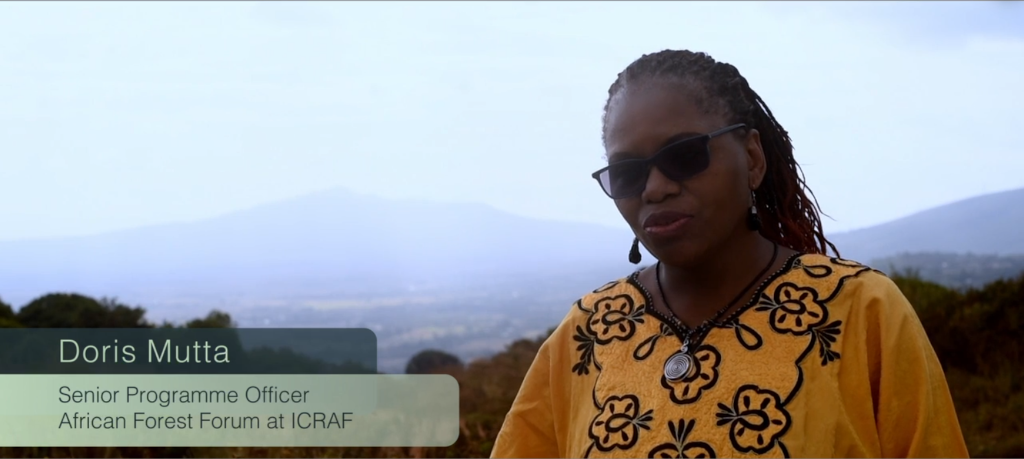
Doris Mutta, Senior Programme Officer, African Forest Forum at the World Agroforestry Centre (ICRAF)

Another aspect given the close association of the civil society organization with the local communities: we have been able also to profile the role of indigenous knowledge in managing forest areas and trees and recognizing their role. So we can see how the civil society is very important in environmental management. For example, through the civil society we generate scientific knowledge to inform development of mechanisms that are sensitive to the needs of the local communities, while at the same time would promote sustainable forest management.

Gvantsa Salukvadze

In general, the integration and involvement is still very weak. and this is also no exception for our organization but we still try to unify different voices from stakeholders and act as a platform to which the government authorities. One such example I can give is the National Initiative Group established two years ago which integrates a wide range of stakeholders and afterwards a Regional Initiative Group was established in order to work on climate change issues and integrate CSOs and other stakeholders, including mid-level decision-makers in governmental entities.

Emilie Dupuits

Offering civil society organizations voice and agency in regional mountain governance is crucial but some challenges remain.

Key lessons

  • Where participation is very formal the involvement of civil society organizations may be more regular and legitimate but this is limited to established organizations.
  • Where state-society relations are collaborative, civil society organizations are typically involved but their role may be pushed towards implementing decisions, rather than making them.
  • Finally, civil society participation in mountain range governance requires an effective participation, legitimate processes and accountability.

organizations appearing in the video

  • Fundación Agreste (-> link)
  • Albertine Rift Conservation Society (ARCOS Network) (-> link)
  • Mountain and Rural Development Initiatives – Caucasus Region (MRD-Cau), based at Tbilisi State University (-> link)
  • African Forest Forum at the World Agroforestry Centre (ICRAF) (-> link)

Mountain regions appearing in the video

VERTICAL COORDINATION

Vertical coordination between regional, national and local levels is a defining feature of most mountain range governance (MRG) arrangements, but not all cases show the same openness to subnational and local governments. The Mountains Connect #4 video offers insights into this important MRG aspect and showcases examples from several mountain regions.

In general, the more formal an MRG instrument, the less access subnational governments have; in some cases, lack of access has prompted the emergence of specialized coordination entities. In all European cases, for example, subnational authorities play a key role in the design and implementation of MRG-related territorial cooperation programs.

Script & CAST

Jörg Balsiger, Professor of Geography & Environment, University of Geneva

Cooperation and coordination among local, national, and regional actors are important features of most transboundary mountain governance arrangements. Vertical coordination, or multilevel governance, can take different forms and involve different mechanisms.

Some aspects of vertical coordination between actors are defined in national constitutions. Others are part of the design of mountain range governance. The actual nature of vertical coordination is therefore always a balancing act one that is best negotiated between the parties concerned. But what should they pay attention to?

Thomas Egger, Director, Swiss Working Group for Mountain Areas (SAB)

In the European Alps there are significant differences concerning the level at which decisions are made. We have numerous important, strategic decisions that are rather conceptual and overarching and are, therefore taken at the level of the entire mountain range, for instance in the context of the Alpine Convention or the Macroregional Strategy for the Alps. But of course we also have many local decisions that are made at the level of municipalities or Länder. There is great diversity, that’s what makes the heterogeneity in the Alps.

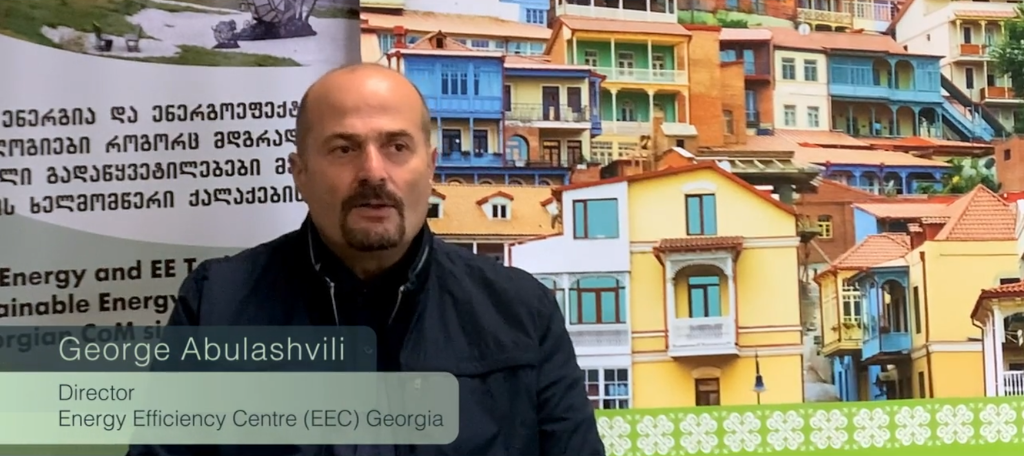
George Abulashvili, Director, Energy Efficiency Centre (EEC) Georgia

Largely in our country this [sustainable mountain development] is a multilevel issue. There are subjects where the local decision makers are fully authorized to make decisions but there are issues that require joint forces with the central and regional administrations. Active municipalities in our country are part of the National Climate Change Council and they have a vote. They can deliver their own messages to the top decision-making level immediately.

Jörg Balsiger

Vertical coordination concerns governmental actors at different levels who cooperate on strategic or operational issues. In mountain range governance, two combinations of levels and issues require particular attention. The first relates to coordination between the national and the regional level. In most cases, regional initiatives are created by national actors. Where this involves formal instruments such as treaties, foreign ministries typically take the lead and negotiate strategic issues. Such issues may include the scope of authority given to a regional institution or what to do in case a regional arrangement is ignored. For thematic issues linked to policy sectors, ministries for the environment, agriculture, or economic development work out how to balance regional and national policy.

Situations requiring special attention

1. Coordination between national and regional level involving formal instruments

  • Foreign ministries lead on strategic issues
  • Line ministries lead on sectoral issues

2. Role of local authorities

  • Transnational agreements where devolution permits
  • Programs or projects where subnational governments or cities cannot conclude cross-border agreements

Thomas Egger

When I think about the level at which decisions about different topics are made, there are great differences. There are overarching topics where there are commonalities in the Alps. These are solved together, for example natural hazard prevention or water management, where we really have common challenges. On the other hand there is no denying that there are certain competitive situations between Alpine countries, this is very pronounced in tourism, perhaps not least because there is no common Alpine tourism strategy and cooperation.

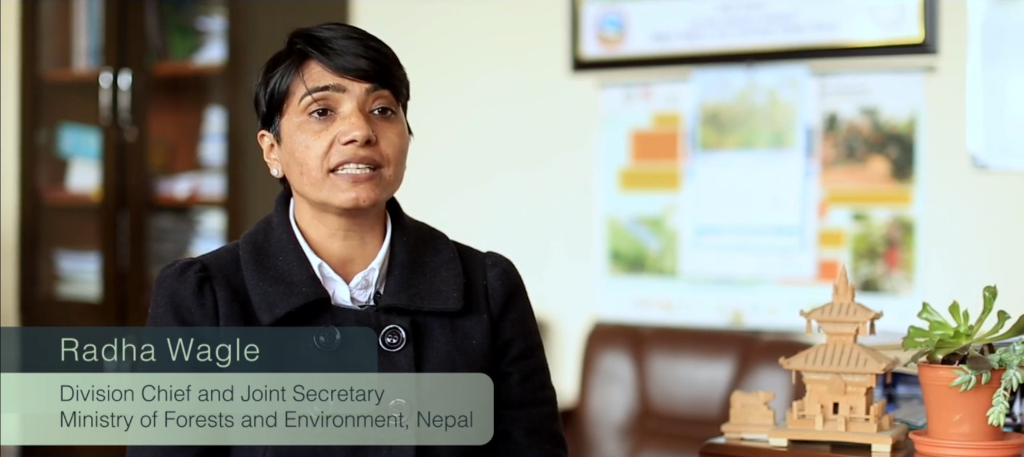
Radha Wagle, Division Chief and Joint Secretary, Ministry of Forests and Environment, Nepal

I think the HKH [Hindu Kush Himalaya] High Level Declaration provided an opportunity for learning from each other country, and I think that all eight of the HKH region’s countries have different types of issues related to mountains. Then all are informed by each other’s experiences and evidence. I think now we have more opportunity to learn from other regional associations like ICIMOD, not only in the HKH region but also countries from Europe and other regions that have similar issues like us.

Jörg Balsiger

The second concerns the role of local authorities in vertical coordination. In some cases, countries allow provinces or even cities to work directly with their counterparts across national borders. There, vertical coordination assumes a form of decentralization, where local authorities work together to address concrete policy issues, such as climate change adaptation in a watershed of a given mountain range. Where constitutions do not allow for direct cross-border links, or where subnational participation in regional institutions does not exist, vertical coordination can be promoted through specific programmes or projects.

George Abulashvili

Under the umbrella of the climate change issues I would prioritize mitigation and maybe energy poverty that has to be addressed at the local level and maximum efforts to be made along with uniting forces at the regional level.

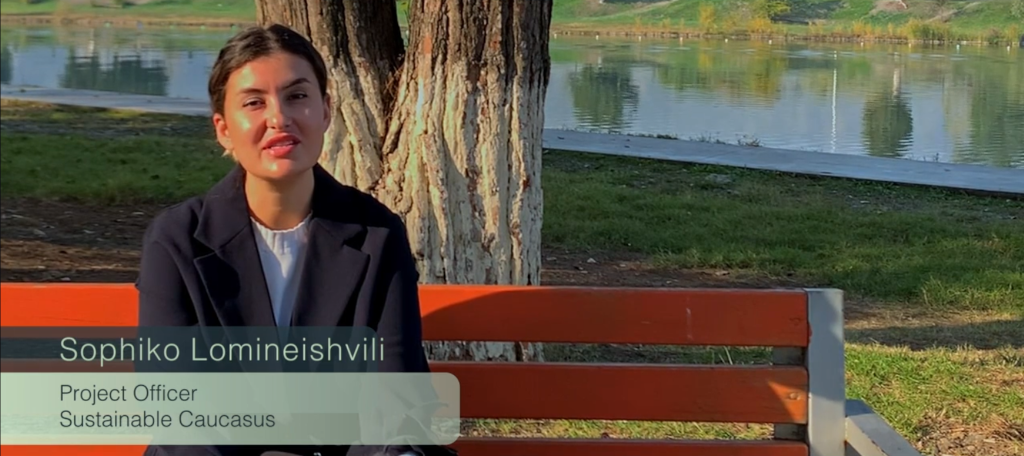
Sophiko Lomineishvili, Project Officer, Caucasus Network for Sustainable Development of Mountain Regions (Sustainable Caucasus)

Decision-making in Georgia regarding sustainable development is based on mutual cooperation between national and municipal bodies. A good example of this can be the National Mountain Development Council composed by different actors, including non-government organizations. The Council has a broad function, meets, discusses, and gets resolutions through the prioritisation of needs of mountain municipalities.

Radha Wagle

Nepal is a flagship in implementing the local level adaptation plans from 2010. After 2010, while we formulated our national level adaptation plan, we formulated different scale of adaptation plan at the local level and then we were able to internalize local level adaptation in different scale and that has good results, too. I think that is the major learning from local level institutions.

Thomas Egger

There are several processes where local actors are involved, for example in the new Macroregional Strategy for the Alps, where there is a real objective to discuss with civil society, to also include municipalities in processes, for example the so-called Action Groups. Then there are also networks where exchange takes place, for instance the network of municipalities “Alliance in the Alps”; this is horizontal coordination but such networks can then become part of larger processes such as the Alpine Convention, where Alliance in the Alps is a Permanent Observer.

Sophiko Lomineishvili

The Covenant of Mayors for Climate and Energy is a bottom-up multilevel governance model that gives the opportunity to local governments to participate in global action against climate change. However, successful implementation of the COM’s commitment requires support from national government and vice versa because local government directly responds to Georgia’s international commitments, such as the Paris Accord, the European Union Association Agreements, and others. Climate change is happening locally and the municipalities are the ones who can take bold action and through that national government can benefit.

Jörg Balsiger

Mountain range governance can greatly benefit from effective coordination and cooperation between policy makers.

Key lessons

  • In vertical coordination, making sure that the roles and responsibilities of national actors and regional institutions are clear is crucial for the stability and serenity of collaboration.
  • Similarly, defining the involvement of local or provincial authorities can help create a level playing field for the participation of local actors and ensure that lessons from the ground move up to inform strategy at the regional level and thereby contribute to sustainable mountain development.

ORGANIZATIONS APPEARING IN THE VIDEO

  • Swiss Working Group for Mountain Areas (-> link)
  • Energy Efficiency Centre, Georgia (-> link)
  • Ministry of Forests and Environment, Nepal (-> link)
  • Caucasus Network for Sustainable Development of Mountain Regions (Sustainable Caucasus) (-> link)

Mountain regions in the video

SECTORAL INTEGRATION

Just as the concept and practice of sustainable development has evolved since the late 1980s, the sectoral orientation of sustainable mountain development has changed over time. The Mountains Connect #3 video dives into this important context and provides example from mountain regions around the world.

The integrative dimension of sustainable development remains at its core. While key sectors such as nature conservation, agriculture, and tourism continue to be important, climate change adaptation has assumed a central place and now appears as a cross-sectoral driver in its own right. Means to ensure sectoral integration vary widely, ranging from simple reference to the integrative nature of sustainable mountain development to the establishment of cross-cutting working groups or special projects.

Nature, tourism, transport and culture as priority areas are cited in each mountain range governance initiative, followed by agriculture, forestry, and energy. This does not mean that all of these are actually implemented everywhere (even in those initiatives that do have implementation), as there are clear trade-offs between breath, depth, effectiveness, and political feasibility.

Script & CAST

Jörg Balsiger, Professor of Geography & Environment, University of Geneva

Policy integration is sometimes called the “holy grail” of public administration, the goal every government pursues but none ever manages to fully achieve. There is some truth to this. Long-standing sectoral tensions such as between nature protection and local economic development continue to undermine sustainable development in many places.

At the same time, much progress has been made including in mountain areas. One reason for this is that most of today‘s pressing policy issues, especially climate change adaptation, go beyond traditional sectors. Another reason is that mountains are concrete places where policy issues converge. So, what are the key areas of work in sustainable mountain development and how do different sectors interact?

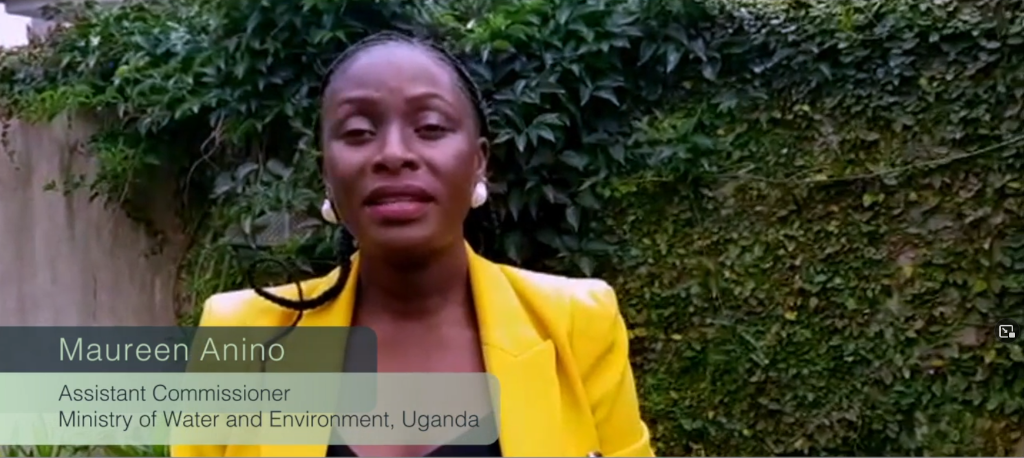
Maureen Anino, Assistant Commissioner, Ministry of Water and Environment, Uganda

In the East African Region, the key sectors that are critical and play a significant role in socio-economic development in the region in the mountain areas, are agriculture because of the high fertility of the mountain regions. The mountains are food baskets in the region. The second sector that is important in sustainable mountain development is tourism, because of the rich biodiversity in the mountains. And the third sector which is important for sustainable mountain development in the region is forestry. Most of the mountains in the East African Region are covered by dense natural forest which provide critical goods and services in the region.

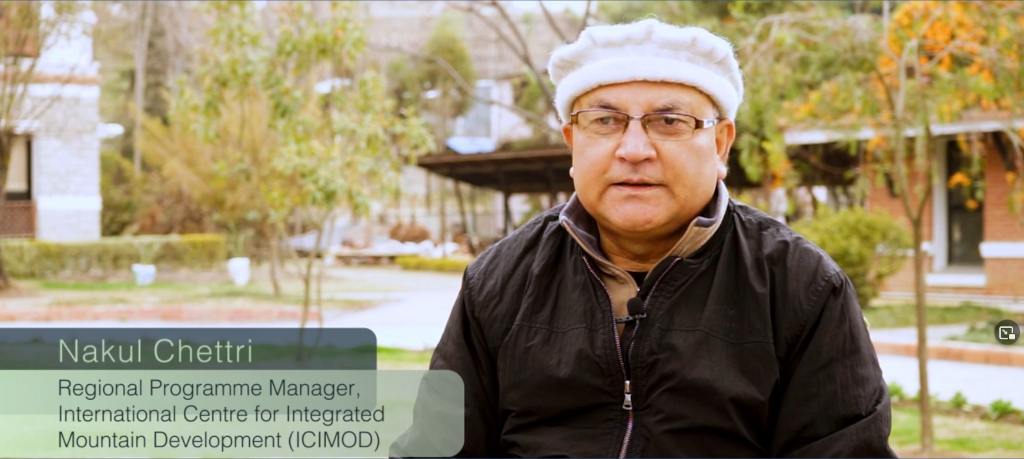
Nakul Chettri, Regional Programme Manager, International Center for Integrated Mountain Development (ICIMOD)

In the Hindu Kush Himalayan Region, the sustainable mountain development sectors are, number one, food and nutrient security, the second one is environmental security, and the third one is economic opportunity for livelihood development.

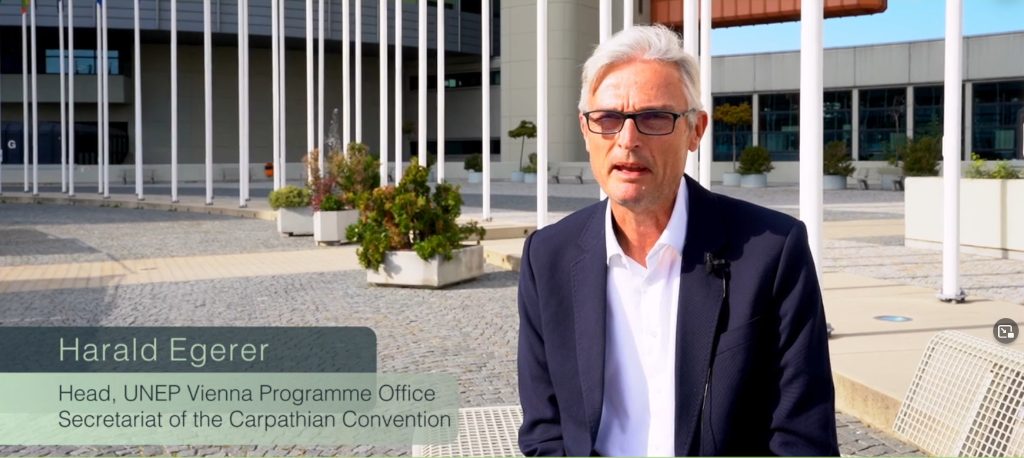
Harald Egerer, Head, UNEP Vienna Programme Office, Secretariat of the Carpathian Convention

In our mountain range, the Carpathians, the need is for integration of different sectors, multisectoral cooperation in a holistic manner. That means we are talking about biodiversity integration, with land use, with transport, with agriculture, with tourism, with science, with climate change and so on.

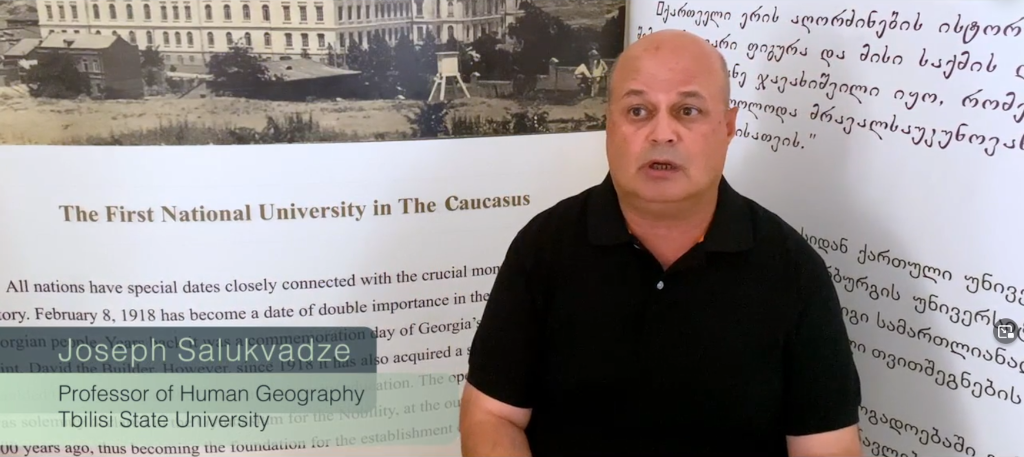
Joseph Salukvadze, Professor of Human Geography, Tbilisi State University

In the Caucasus region, the key sectors in sustainable mountain development are climate change, biodiversity, and economic development, more precisely tourism development. However, there are a few other sectors, like forest management and water issues, which are also very important.

Maureen Anino

An example of a sector that contributes significantly to socioeconomic transformation in the region but also leads to degradation in the mountains is agriculture. The practice of agriculture, much as it contributes to the development in the region, also leads to high cases of degradation of the mountains. However, there are certain sectors that also contribute to the conservation of mountains, and one of these is the tourism sector through activities like ecotourism which are non-consumptive. This contributes to conservation in the mountain areas.

Joseph Salukvadze

The sectors are very much interlinked. For example, the development of the sustainable tourism sector influences other economic sectors, too, like agriculture, like building and construction, infrastructural development and so on. On the other hand, we have sort of negative influence, for example projects of large energy hydro plants they may somehow influence negatively the ecological situation in the region, also causing the resettlement of the population.

Jörg Balsiger

There are two different but complementary ways of analyzing and promoting policy integration in mountain range governance. Both are valid starting points. The first is where mountains are seen as a single space that corresponds with the prevailing definition of the mountain range. Here, the space defined by a certain problem, for instance forest degradation, is aligned as closely as possible with the space for which a solution to that problem is sought. Multiple problem spaces coexist, creating a fuzzy border for the mountain range.

First approach to policy integration

Mountain range conceived as single space

  • Problem and solution spaces for specific issues are transnational, multiple, and overlapping
  • Issues are addressed by actors organized at the level of the mountain range
  • Policy integration happens through these actors

Maureen Anino

There are mechanisms in place to ensure that policy integration is addressed in the East African region. So, at the regional level, we have the East African Community, which is an intergovernmental organization in the region that brings together the different countries in the region. They have the East African Climate Change Policy, they also have the East African Protocol on Environment Resources, and also the East African Transboundary Act.

Nakul Chettri

In the Hindu Kush Himalayan region, there is no policy mechanism at the regional scale to say, but there are options available, where the customization of global multilateral agreements such as the Convention of Biological Diversity or UNFCCC [United Nations Framework Convention on Climate Change] are being customized at the regional scale, where some of the agendas and targets of these conventions are being implemented at the regional scale.

Jörg Balsiger

In this approach, sector-specific issues are addressed by organizations at the level of the mountain range. Examples include thematic working groups supporting international treaties, regional NGOs, or regional scientific collectives. Policy integration happens through the interaction of these rangewide entities. New cross-cutting policy challenges, such as climate adaptation, can and do lead to the establishment of dedicated organizations.

Joseph Salukvadze

The network which we created, which is the Scientific Network for the Caucasus Mountain Region, tries to fill gaps in policy integration as much as it is possible. And for that we use different mechanisms, such as workshops, seminars, the exchange of ideas, but we also elaborated the Caucasus Research Agenda.

Jörg Balsiger

Second, a mountain range can be seen as a collection of jurisdictions. These can be entire countries or only certain regions. Here, the entry point is the mountain area of a particular jurisdiction, regardless of the delineation of the mountain range. Accordingly, policy integration principally occurs at that level, often under the responsibility of the corresponding national government and its relevant mechanisms. Transboundary coordination, where necessary, then proceeds through the institutions of mountain range governance.

Second approach to policy integration

Mountain range as a collection of jurisdictions

  • Policy integration occurs at the level of the individual jurisdiction, often under national governments
  • Transboundary coordination proceeds through institutions of mountain range governance

Marshall Banamwana, Acting Director General, Environment & Climate Change, Ministry of Environment, Rwanda

An example of institutions which promote policy integration I can say is the Ministry of Environment, which works as an interface between all Ministers in East Africa responsible for environment and climate change.

Maureen Anino

Sometimes the policies that are in place, for example in Uganda – the policy addresses general issues on environment and natural resources and is not specific to mountains. Therefore there is a gap. The East African Protocol on Environment and Natural Resources also addresses issues of environment and natural resources in general and therefore, there is a need for us in the region to come up with policies that specifically address issues of mountains.

Jörg Balsiger

Successful policy integration is an ongoing task, where the emphasis is on the outcome and the process. In order for that to be possible, the right mechanisms need to be in place.

Nakul Chettri

ICIMOD played an important role to come up with a science-based assessment report called HIMAP [Hindu Kush Himalayan Monitoring and Assessment Programme], and based on that HIMAP report we could facilitate the HKH Call to Action, which was discussed, agreed, and signed by our regional member countries. So that is the instrument, where institutional processes and platforms are created and a mechanism was developed.

Joseph Salukvadze

There are several instruments for policy advocacy but I have to emphasize for example the Caucasus Mountain Forum which collects a lot of people from around the region as well as other countries, they can exchange different ideas, and also there are stakeholders like government members, who can also listen and participate in the discussions and this is a very good opportunity to promote policy advocacy.

Jörg Balsiger

Where a mountain range is seen as a single space, regional actors play a key role and transboundary dynamics are readily addressed. A territorial approach to public policy also tends to prevail, which in turn favors policy integration. However, regional actors may lack strong links to national and local policy making and implementation. Where a mountain range is seen as a set of jurisdictions, policy integration is the task of those already in charge of relevant policy-making structures.

On the other hand, transboundary challenges are less prioritized and administrative fragmentation can undermine integration efforts. Ultimately, there is no one right way to pursue policy integration. The challenge is to know how much policy integration is necessary and feasible under which circumstances. So long as the question is being addressed, policy integration is on the right track.

Key lessons

1. Where a mountain range is seen as a single space:

  • Key role for regional actors
  • Recognition of transboundary dynamics
  • Territorial approaches to public policy

2. Where a mountain range is seen as a set of jurisdictions:

  • Policy integration occurs through existing structures
  • Transboundary issues are less readily recognized
  • Administrative fragmentation may jeopardize policy integration

organizations appearing in the video

  • Ministry of Water and Environment, Uganda (-> link)
  • International Centre for Integrated Mountain Development (ICIMOD) (-> link)
  • UNEP Vienna Programme Office – Secretariat of the Carpathian Convention (-> link)
  • Department of Human Geography, Ivane Javakhishvili Tbilisi State University, Georgia (-> link)
  • Ministry of Environment, Rwanda (-> link)

Mountain regions appearing in the video

INSTITUTIONAL FORMALITY

Mountain range governance agreements have operated with very different degrees of formalization, ranging from legally binding international treaties to loosely organized networks of interested actors. The Mountains Connect #2 video covers key aspects to consider when crafting collaboration and offers examples from many mountain regions.

Formal instruments offer a structured approach to mountain range governance (MRG) with a clearly defined legal status, clear roles (e.g. parties to the agreement, secretariats, observers), lines of accountability (e.g. decision making authority, reporting responsibilities), sometimes budgetary resources and r(e)distribution mechanisms, and continuity; however, international treaties take time and resources to set up and govern and depend on the negotiation of mutual agreements for decision-making. Informal approaches can be flexible setups that easily accommodate diverse stakeholders, but they can be less stable over time in part due to difficulties in resource mobilization.

Script & CAST

Jörg Balsiger, Professor of Geography & Environment, University of Geneva

To establish a good working relationship in any context takes creativity, commitment, and time. In transboundary mountain regions, shared experiences have often brought people together. At the same time, remoteness in mountains regions sometimes makes it more difficult to meet than elsewhere.

Today technology makes collaboration easier but working together still requires shared rules, principles, and organizations. While institutions found in mountain range governance are highly diverse, crafting collaboration requires attention to at least three key factors: The first concerns the nature of the governance instrument. At one end of the spectrum we have international treaties such as the Alpine or Carpathian Conventions, which take the form of a framework convention accompanied by thematic protocols. At the other end we have much less formal arrangements. They may be based on declarations of shared interests or be based on loosely constituted working communities.

Nature of the governance instrument

  • formal vs informal

Harald Egerer, Head, UNEP Vienna Programme Office, Secretariat of the Carpathian Convention

The key institution for cooperation in our mountain range is the Framework Convention for the Protection and Sustainable Development of the Carpathians. It is a forum of cooperation and stakeholder participation on a regional scale. The advantage of the Carpathian Convention is to provide a stable framework of cooperation and of inclusion of stakeholders into its proceedings. It’s normative, it’s an international legal instrument.

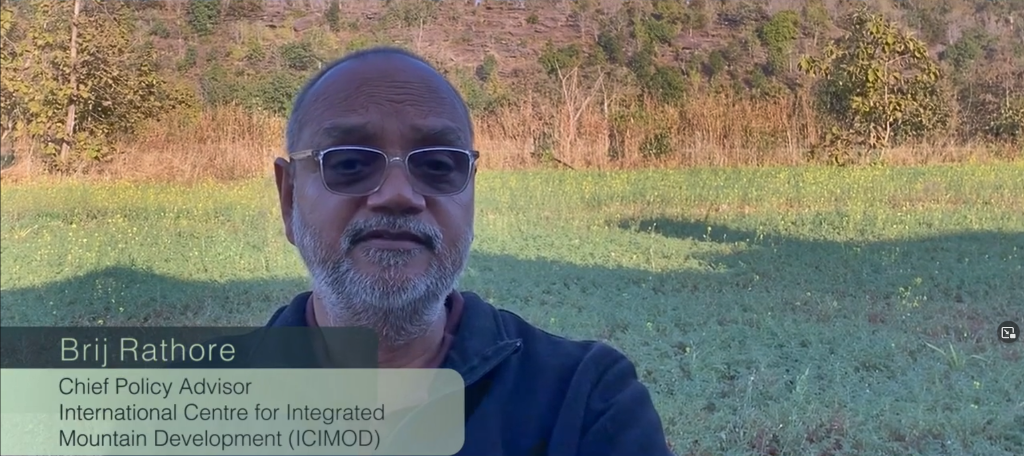
Brij Rathore, Chief Policy Advisor, International Center for Integrated Mountain Development (ICIMOD)

There are a large number of issues that easily lend themselves to be addressed effectively through regional coordination, but the one I will pick up today is illegal trade in wildlife, which cuts across the national boundaries. I talk about three institutions. The first one is the Wildlife Crime Control Bureau, which is the national level agency and has regional centers, one for the North and one for Eastern areas of the Himalayan ranges. It draws membership from different forces, customs, research and training organizations, and also conservation organizations. The second one is the border meetings which happen between two countries in the border areas. They also address illegal trade in wildlife. And the third one, of course, is the bilateral MoUs which get signed by two countries to address issues of conservation.

Rafael Giménez Capdevila, Rotating president (2019-2021), Working Community of the Pyrenees (CTP)

Governance of diverse factors often requires complex institutional engineering. The Working Community of the Pyrenees (CTP) is an ideal platform to address complex issues because it brings together key actors and has a large capacity to mobilize others at all levels of governance. It is a loose structure with a broad territorial and thematic scope, with a transversal and cross-border vision. It combines almost 40 years of experience in territorial cooperation and, in addition, since 2007 acts as the managing authority of one of the Interreg programs financed with ERDF [European Regional Development Fund] funds from the European Union: the Territorial Cooperation Program Spain France Andorra (POCTEFA).

Jörg Balsiger

The second factor relates to how collaboration is organized. Here, one option follows from the treaty mechanism, where signatories meet in conferences of parties and adopt decisions and resolutions. Another option is much more action-oriented, where the focus is on the development and implementation of programmes and projects.

Organization of collaboration

high-level decisions / resolutions
program / project focus

Harald Egerer

Our main decisions are made every three years by the Conference of the Parties to the Carpathian Convention. In the meantime, between these big meetings every three years, we have Working Groups and Implementation Committee coming together several times a year. For us in the Carpathian Convention it is very important that our decisions and strategies are also filled with life, and they don’t just stay on paper. So we try to do everything possible to make implementation real. Our incentive is that we engage with parties and stakeholders to develop joint projects and to try to mobilize the required resources. For example at the moment we are working on a project for the Central Europe Programme that would support the monitoring of large carnivores in the Carpathians.

Bram Willems, Executive Director, National Institute for Glacier and Mountain Ecosystem Research (INAIGEM)

When it comes to regional cooperation, we need more public policies that facilitate the work between different countries, especially in areas with glaciers where we share borders between countries.

Rafael Giménez Capdevila

Once a year, the CTP organizes a Plenary Council, where representatives of its members adopt a declaration with major agreements and guidelines. Approximately every two months, the Executive Committee meets and discusses the agreements and formally adopts them. Finally, decisions are adopted by consensus, although, when necessary, decisions can also be made by majority vote, which guarantees territorial balance.

Jörg Balsiger

The third factor to consider is who is responsible for coordinating mountain range governance. Responsibility can be located at the national level: this is usually the preferred approach with state-negotiated instruments. Conversely, where collaboration is project-oriented, subnational governments are often also involved. Similarly, responsibility for coordinating collaboration may be with the executive when the instrument is a treaty. Or it may be mainly with public administration, such as a ministry of the environment or regional development. Combinations of these forms are often found. For example, task forces, councils, or working groups can bring together representatives of different government branches and levels as well as key non-governmental actors – but how is it done in practice?

Responsibility for coordination

– national level vs. subnational level
– executive vs. public administration
– combinations, involving civil society

Brij Rathore

I’m looking at the more regional innovative practices and think the South Asian Enforcement Network is a very good institutional platform but I think it needs more strengthening, and regional institutions like ICIMOD can also play a very effective role in bringing the more science-based information to these multilateral platforms and arrangements which happen across countries.

Harald Egerer

The Carpathian Convention is governed by its Parties, that means its Member States. But its fully open for observers who are able to participate in our decision-making, that allows inclusion of non-governmental organizations and of scientists and of local stakeholders.

Rafael Giménez Capdevila

Innovation in cross-border governance is constant. The institutional evolution of the members of the CTP, whose competencies and interests change over time, already implies a constant adjustment. The opportunity to receive European funds is also a source of innovation as their regulations change every seven years and force us to rethink the content and form of cooperation. Furthermore, the search for more efficiency in common activities also encourages innovation.

Bram Willems

INAIGEM, being the highest authority in glacier research, is the institution with the capacity and required dynamism to articulate a series of institutions including academic and governmental institutions, as well as the private sector and communities, in order to turn research into action aiming for a continued preparation of our population to the changes brought by our modern context.

Jörg Balsiger

Mountain range governance institutions come in different shapes and forms. They work best when they build on prior regional collaboration and when they respond to specific governance concerns. Still, no one size fits all.

While each configuration and degree of formality has its pros and cons, there are some general tendencies.

  • The more an institution is formalized at the highest government level, the more authority it can command; however, high degrees of formality can also translate into lengthy decision making.
  • The more an institution’s work prioritizes programmes and projects, the easier it is to involve different stakeholders; however, this approach can make collaboration dependent on funding and can lead to unwieldy arrangements as well as high transaction costs.
  • Finally, giving responsibility for mountain range governance to the executive can attract policy attention and sustain international cooperation, but it can also lead to frequent changes due to elections; conversely, giving responsibility to public administration may encourage stability but can also undermine cross-sectoral integration.

Crafting institutions for mountain range governance is an opportunity to foster capacities to respond to global challenges such as climate change. Looking at these institutions around the world shows a wealth of human ingenuity.

Key lessons

High-level institutionalization

  • special leverage but lengthy processes

Programme/project focus

  • broad participation but funding dependency and high transaction costs

Executive responsibility

  • international cooperation perspectives but subject to political priorities or international cooperation; elective turnover

Public administration

  • relative stability but risk of suboptimal policy integration

ORGANIZATIONS APPEARING IN THE VIDEO

  • International Centre for Integrated Mountain Development (ICIMOD) (-> link)
  • Consorcio de la Comunidad de Trabajo de los Pirineos / Working Community of the Pyrenees (-> link)
  • UNEP Vienna Programme Office – Secretariat of the Carpathian Convention (-> link)
  • Instituto Nacional de Investigación en Glaciares y Ecosistemas de Montaña / National Institute for Glacier and Mountain Ecosystem Research (-> link)
mountain regions in the video

LOCATING MOUNTAINS FOR GOVERNANCE

Since transboundary mountain ranges do not coincide with state borders, efforts to define the spatial extent of these areas are often the focus of considerable scientific and political attention. The Mountains Connect #1 video addresses key factors relating to the delineation of mountains and provide insights from around the world.

Mountain Range Governance (MRG) initiatives that involve the formal delimitation of a mountain range can help clarify issues such as legal applicability or funding eligibility. As a consequence scientists have invested considerable effort in defining mountain regions; examples include GEO Mountains for observing mountain environments or research undertaken by the Global Mountain Biodiversity Assessment Network. Even subnational administrative territories often include highland and lowland areas. As a result, planning, implementing and monitoring sustainable mountain development typically entails an ongoing dialogue.

Script & CAST

Emilie Dupuits, Professor for International Relations, University San Francisco de Quito

Did you know that some scientists estimate 27% of the world’s land surface to be covered by mountains? The boundaries of a territory can be defined according to political-administrative considerations, an ecosystem or a specific issue such as climate change adaptation.

Because mountains transcend state borders, ensuring their sustainable development is a challenge for national authorities. This is evident in the efforts diverse actors, including civil society organizations and scientific collectives, invest in delineating the spatial scope of regional mountain governance initiatives. An example: political-administrative boundaries can help make monitoring easier as they delimit the spatial units for which data is collected. The same goes with governance as the spatial scope of the decisions corresponds with the area over which authority is established. However, administrative boundaries are rarely drawn with the mountain ecosystems in mind, which are complex and need to be seen and understood as a whole.

Delimitation criteria for mountain territory

– Political-administrative boundaries
– Ecosystem boundaries
– Problem-oriented with specific issues, e.g. climate change adaptation

Idoia Arauzo, Coordinator, Pyrenees Working Community (CTP)

In the Pyrenees, the term territoriality is understood differently from village to village because it is a mosaic of territories. More than 600 km of borders in three countries – Spain, France and Andorra – are involved and further, a mountain range that goes from the Mediterranean Sea to the Atlantic Ocean and has mountain peaks that sometimes reach over 3000 m of altitude.

David Tarkhnishvili, Head of the Institute of Ecology, Ilia State University

We are working in a certain region, the region covers six countries. Some territories which are not formally ruled, which are non-recognized on the UN level and where regional cooperation is very limited and not multilateral and not just covering all aspects of life.

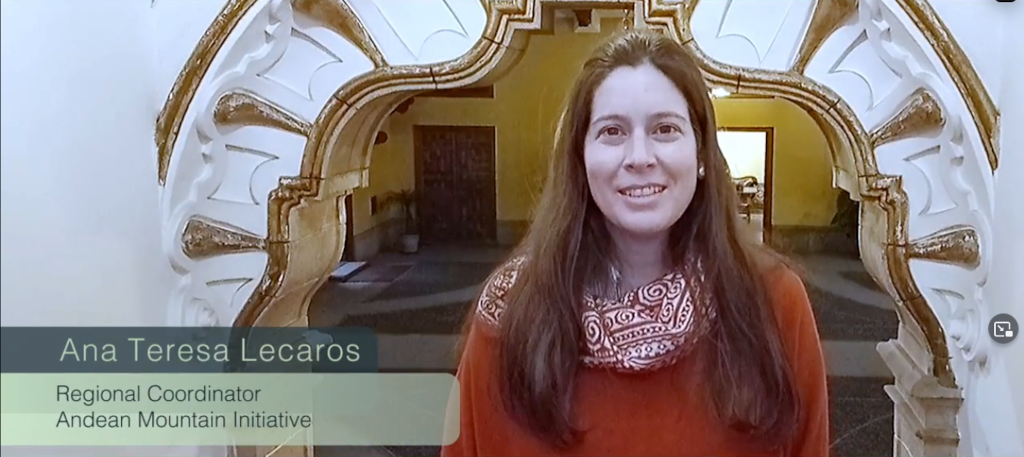
Ana Teresa Lecaros, Regional Coordinator, Andean Mountain Initiative

The Andes is a geographical space that unites us and that challenges and forces us to work together for the benefit and sustainable development of the mountains.

Bernard Debarbieux, Professor of Cultural and Political Geography, University of Geneva

Territory has a dual meaning in the social sciences. The first meaning considers territory in its judicial and political sense: territory as a space of sovereignty of a state, or a space where a supranational or subnational authority exercises specific competences. This is the political and legal meaning. The other meaning is rather social, anthropological, geographic. It refers to how a collective social actor establishes a particular type of relation with its environment, a relation that can be functional or symbolic. So where are mountains in there? There are states whose space of sovereignty is largely composed of mountains but it is extremely rare that a mountain range, at whichever scale, coincides with a state territory, so a mountain range is only ever a part of a state’s physical space of sovereignty.

Idoia Arauzo

We usually differentiate between three delimitations: an overall delimitation of the territory of the seven administrative bodies that go beyond the mountains; one perimeter of the territory that only includes the area covered by the European funding programme, which makes it a bit more restrictive; and lastly, an understanding of territory that focuses exclusively on the mountain area that is used when talking about natural systems and climate change.

Emilie Dupuits

Almost all regional mountain governance arrangements recognize some form of biogeographical boundaries. Biogeographical boundaries refer to a region with similar socio-ecological characteristics. Depending on the mountain range, actors may refer to different territorial approaches, such as ecoregion, bioregion or transboundary ecosystem, with distinct meanings. One overall challenge is, therefore, how to deal with the different territorialities in the same mountain range.

Idoia Arauzo

To give an example of how different spatial limits can be articulated: In the case of climate change impact analysis in the Pyrenees, we speak of bioregion as we are talking about hydrographic basins, forests, habitats of different species of flora and fauna and as we consider the specific territory that focuses on mountains. However, when it comes to the implementation of action plans and budgets to them, it is necessary to talk about the administrative territory, which is bound to the responsible authorities in the different issues.

David Tarkhnishvili

The most widespread definition of the Caucasus ecoregion is a combination of the old historical boundaries and the modern boundaries. The northern boundary of the region goes traditionally along the Kuma–Manych depression in Russia, whereas the southern boundary currently is normally considered as a border between two watersheds: the watershed of the Black and Caspian Sea on one side and the Persian Gulf on the other – the upper currents of Tigris and Euphrates.

Emilie Dupuits

There are different decisions authorities must take when locating mountains for governance. The first is whether to have a formal delimitation or not. If there is to be one, the decision then turns to the criteria for defining it: they can be based on administrative, ecosystemic or problem-oriented considerations. Authorities can choose to build a vision of the mountain range that is an alternative to administrative boundaries. One way to do so is to formally define the mountain range as an ecoregion and set the boundaries accordingly. Alternatively, the spatial scope of a mountain range can be defined on the basis of municipal boundaries as in the case of the Alpine Convention. National or subnational administrative boundaries usually play an important role, especially where governing arrangements are tied to funding instruments with formal eligibility criteria.

Idoia Arauzo

I will give you an example of a mechanism for integrating different spatial boundaries in mountain range governance: In the Pyrenees, there is a Pyrenean Strategy for 2018-2024 and during its participatory development process an ad hoc delimitation was defined that includes the regions and provinces closest to the border and all mountain territory.

Ana Teresa Lecaros

For the regional governance of the mountains as proposed by the mountains initiative, it is essential to count not only on the national government but also on the regional and subnational governments, along with the actors who have concrete responsibilities.

Emilie Dupuits

Delimiting the mountain range is one of the most important tasks for building regional governance. Decisions have to be made regarding the spatial scope of an initiative and coping with possible overlaps between ecoregional and jurisdictional units. One lesson learnt is that a fixed boundary establishes clarity but it also complicates things because there can never be a “perfect” boundary that encompasses a unified problem or solution space unambiguously. Drawing a line always involves trade-offs between openness and closure and that trade-off needs to be negotiated by the main parties concerned. Actors such as municipalities, civil society organizations, and scientific collectives need to work together to build the regional mountains’ territoriality.

Key lessons

  • Fixed boundaries establish clarity
  • There can never be a “perfect” boundary
  • Boundaries involve trade-offs between openness and closure
  • (Sub-)National actors such as municipalities, NGOs and scientists need to work together

ORGANIZATIONS APPEARING IN THE VIDEO

  • Pyrenees Working Community (-> link)
  • Institute of Ecology, Ilia State University (-> link)
  • Iniciativa Andina de Montañas / Andean Mountain Initiative (-> link)
  • Department of Geography and Environment, University of Geneva (-> link)
Mountain regions appearing in the video